
Home / Hardwood & Engineered Wood Floors
Hardwood & Engineered Wood Floors
Beautiful Hardwood & Engineered Wood Floors in St. Peters, MO
Mid America Flooring Solutions is your premier source for hardwood and engineered wood flooring in St. Peters, MO. We understand that choosing the right flooring is a significant decision for homeowners. That is why we’re here to guide you through the process.
In this detailed guide, we’ll explore the benefits, options, and installation processes of hardwood and engineered wood flooring. We want to help you make an informed choice for your home.


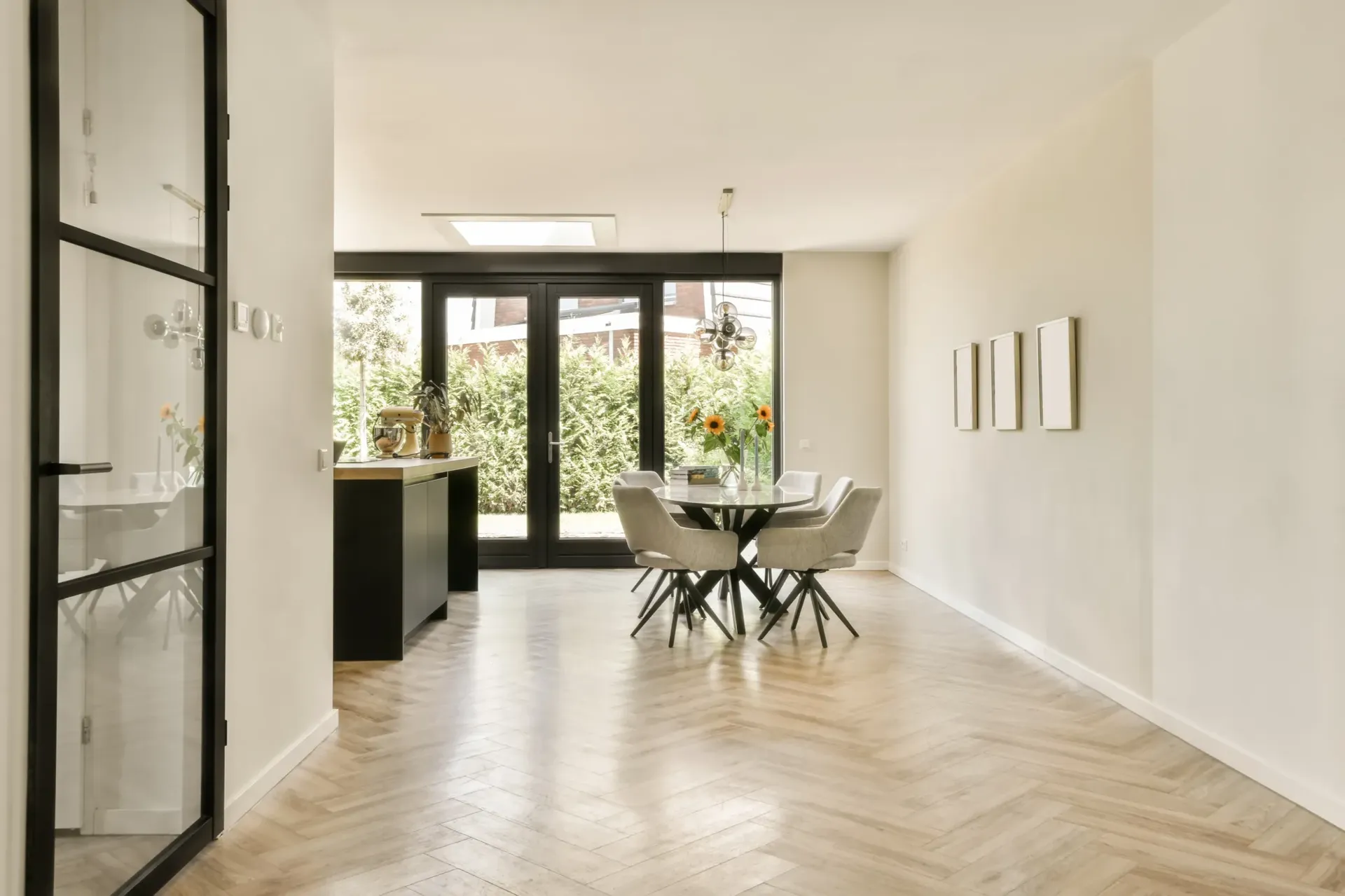
What is Hardwood Flooring?
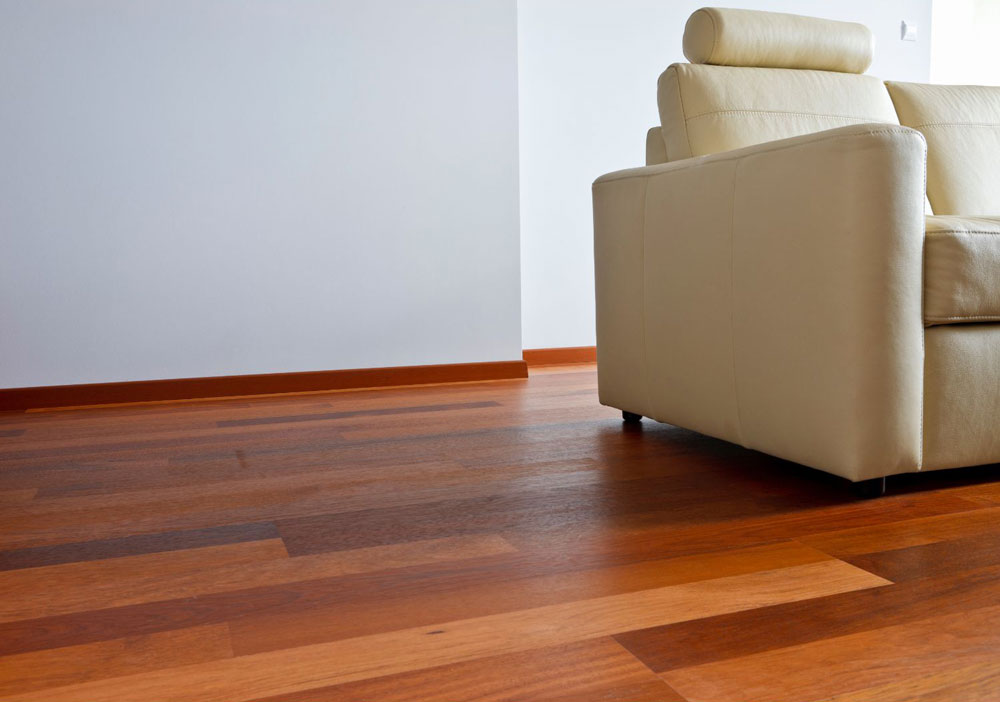
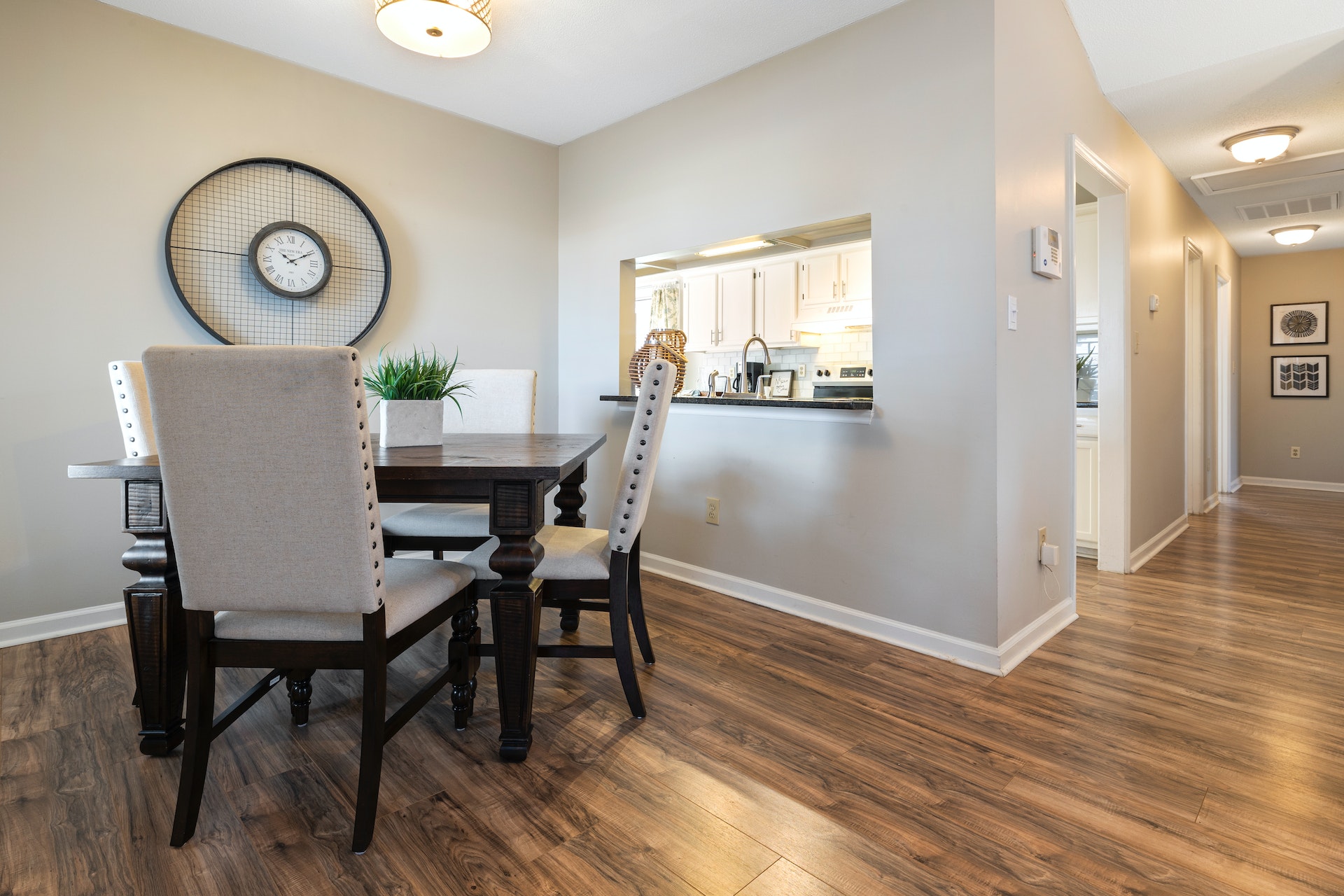
Hardwood flooring is made from solid wood, typically cut from a single piece of timber. This type of flooring is renowned for its natural beauty, durability, and the ability to be refinished multiple times. Solid hardwood flooring adds timeless elegance to any space and can last for decades with proper care.
What is Engineered Wood Flooring?
Engineered wood flooring consists of a core of hardwood or plywood with a layer of hardwood veneer affixed to the top. This construction makes engineered hardwood flooring more stable and less susceptible to changes in temperature and humidity. Engineered wood flooring is an excellent choice for areas where traditional hardwood may not be suitable. Some examples would be basements or over concrete slabs.
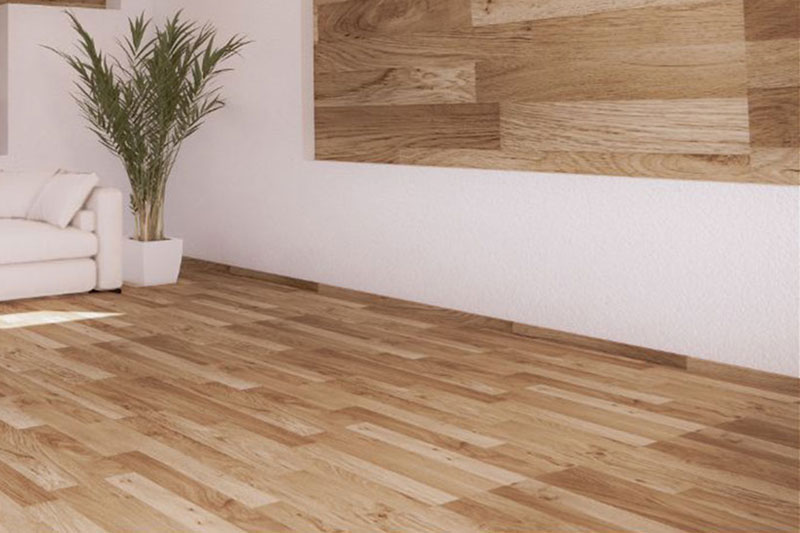
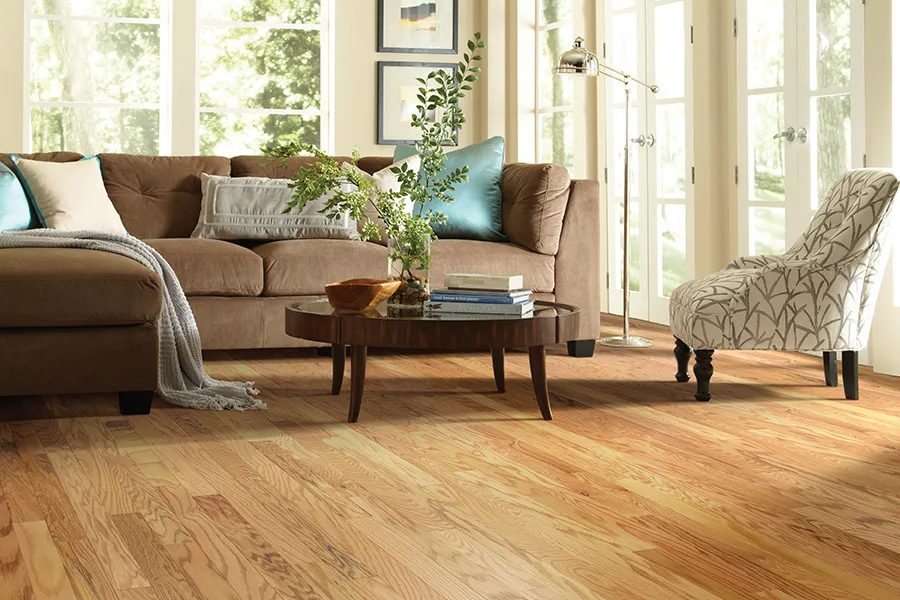
Benefits of Hardwood Flooring
- Durability
Solid hardwood flooring is incredibly durable and can withstand heavy foot traffic. - Aesthetic Appeal
Available in a wide range of wood species, colors, and finishes. Hardwood flooring adds a luxurious touch to any home. - Long-Term Value
Hardwood flooring can be refinished multiple times, extending its lifespan and maintaining its beauty. - Allergy-Friendly
Unlike carpets, hardwood floors do not trap dust and allergens, making them a healthier choice for your home.
Benefits of Engineered Wood Flooring
- Stability
Engineered wood flooring is more resistant to moisture and temperature changes, reducing the risk of warping or shrinking. - Versatility
Suitable for installation over various subfloors, including concrete. Engineered wood can be used in areas where solid hardwood is not advisable. - Cost-Effective
While offering the same aesthetic appeal as solid hardwood, engineered wood flooring is often more affordable. - Ease of Installation
Engineered wood flooring can be installed using various methods. These include glue, nail, or floating, making it a versatile option for different situations.
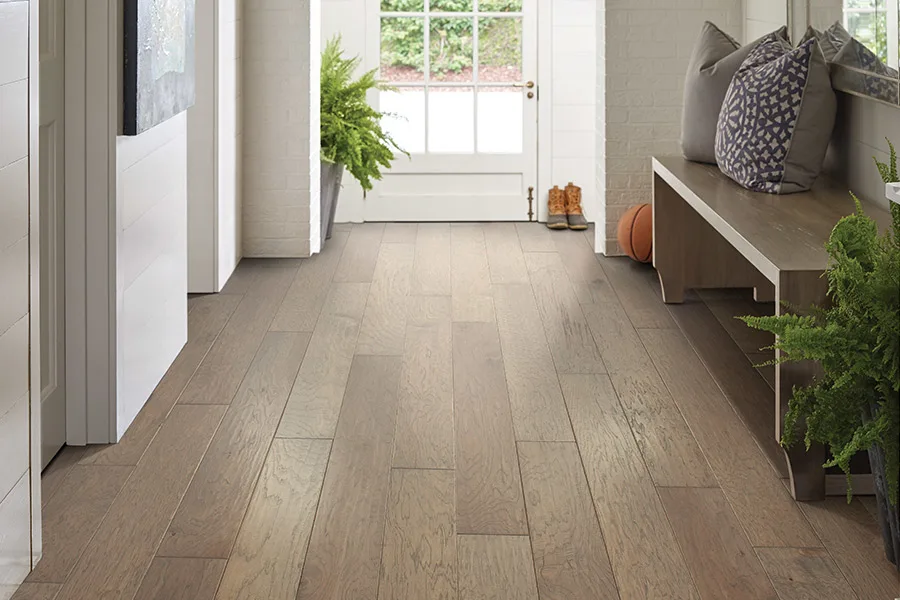
Hardwood Flooring Installation
Installing hardwood flooring is a precise process that requires attention to detail to ensure a flawless finish. Our installation team works hard to ensure a quality wood floor installation.
1.
Preparation
- Subfloor Inspection
Our team will make sure the subfloor is clean, dry, and level. We'll repair any issues with the floor joists to provide a stable foundation. - Acclimation
We will follow the recommendations of the specific manufacturer on acclimation, but typically it requires several days of acclimation and we will check moisture and humidity to ensure it falls within manufacturers specifications.
2.
Installation
- Layout Planning
We will want you there to approve the layout for your desired aesthetic. - Expansion Gap
We leave an expansion gap around the perimeter of the room. This is done to allow for natural movement of the wood. - Tongue and Groove Flooring
Most hardwood planks feature a tongue and groove design for a snug fit. We begin installation by laying the first row with the groove side facing the wall. - Nailing
We will secure the planks by driving a nail at an angle through the tongue of each plank. - Stagger Seams
Our installers take care to stagger the seams of the planks to create a more natural and aesthetically pleasing look. - Finishing Touches
Once the planks are installed, we'll cover the floor with a protective finish to enhance durability and beauty.
Engineered Wood Flooring Installation
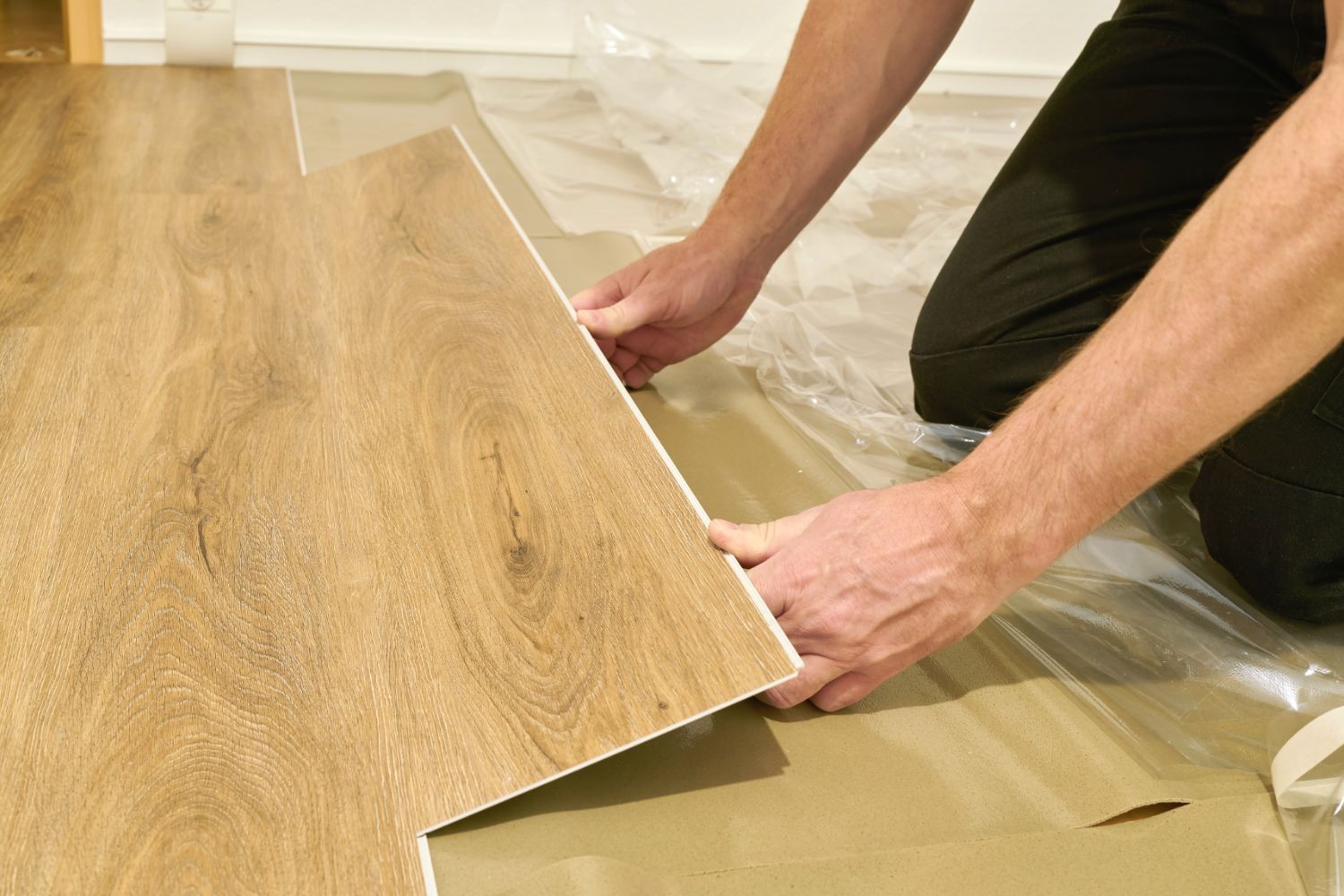
Engineered wood flooring offers a versatile range of installation methods, making it an ideal choice for professional installations. Here’s a general outline of the engineered wood flooring installation process by our expert team:
1.
Preparation
- Subfloor Preparation
Similar to hardwood installation, ensure the subfloor is clean, dry, and level. - Acclimation
We will follow the recommendations of the specific manufacturer on acclimation, but typically it requires several days of acclimation, and we will check moisture and humidity to ensure it falls within the manufacturer's specifications.
2.
Installation
- Floating Floor
Engineered wood planks can be professionally installed as a floating floor using a click lock system, eliminating the need for glue or nails. - Glue-Down
Our installers will apply adhesive to the subfloor and expertly lay the planks on top. This method is ideal for concrete subfloors. - Nail-Down
We will secure each plank by driving a nail through the tongue, similar to solid hardwood installation, ensuring it is firmly attached to the subfloor.
Cost Considerations
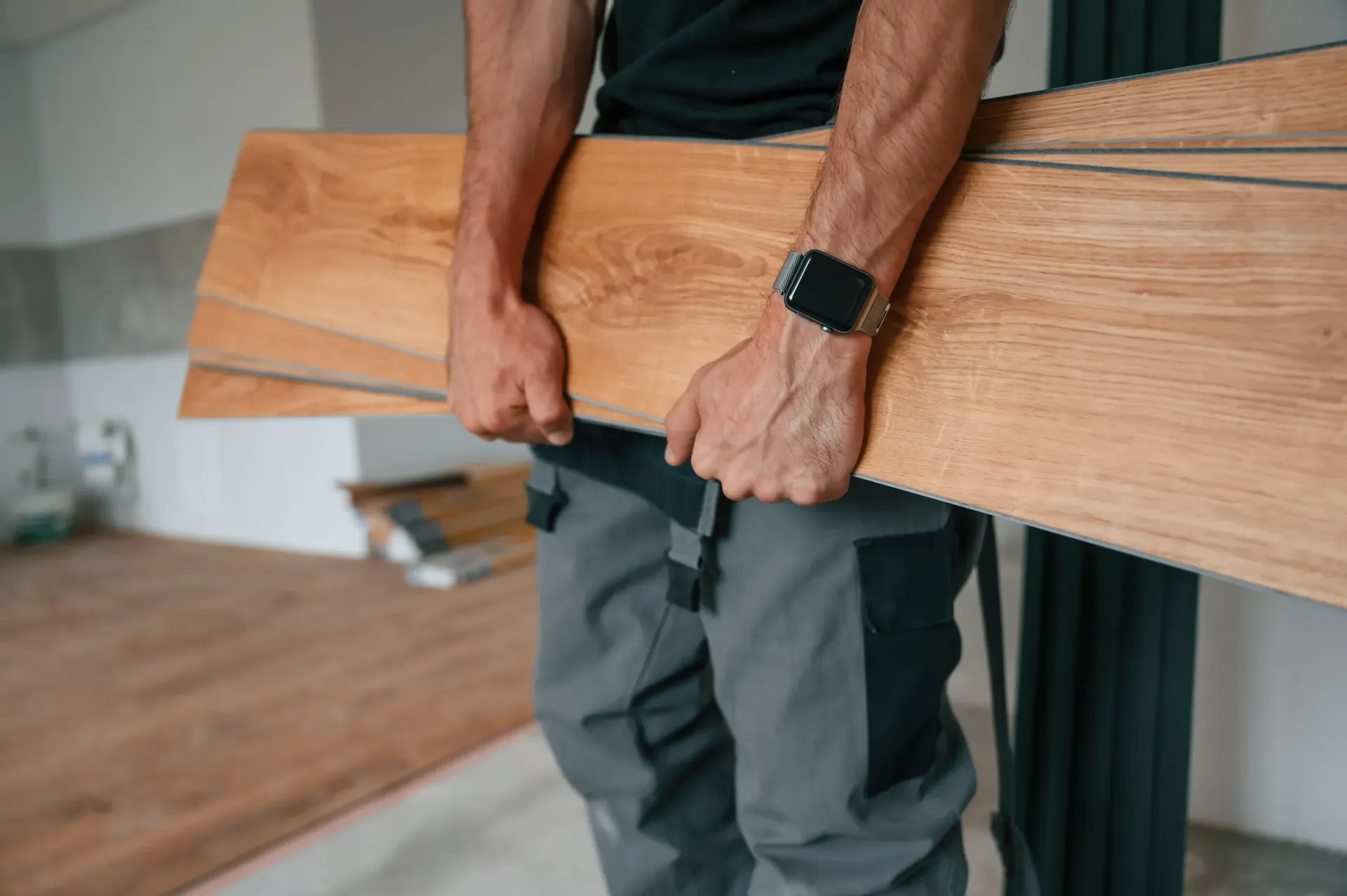
The cost of hardwood flooring and engineered hardwood flooring costs can vary. This is based on several factors that include wood species, plank width, finish, and installation method.
- Solid hardwood
Solid hardwood may have a higher up-front cost. This is balanced out by its longevity and ability to be refinished. The ability to refinish hardwood can provide long-term value. - Engineered wood
Engineered wood flooring typically offers a more budget-friendly option without compromising on style or durability.
Proper Care and Maintenance
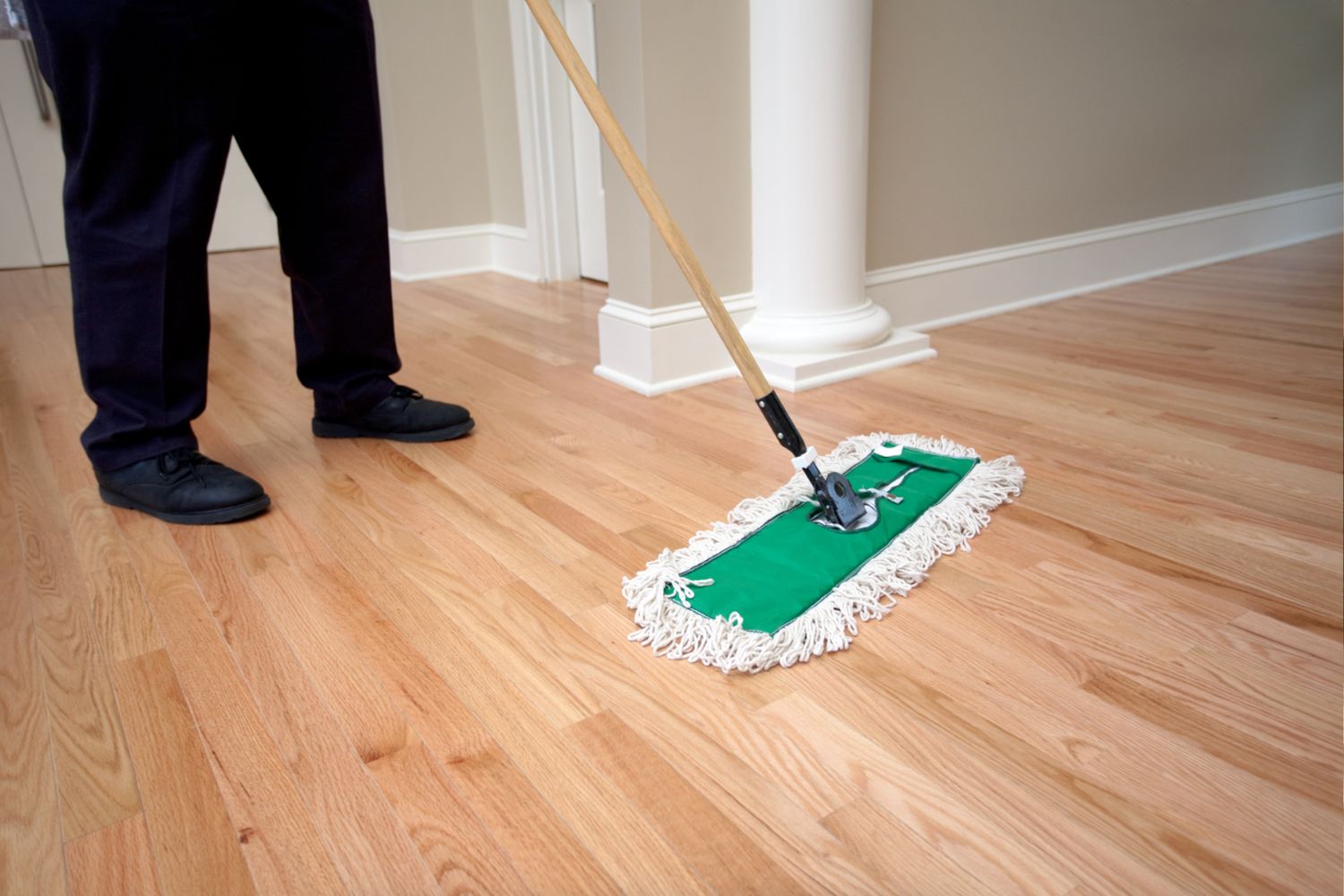
To ensure the longevity and beauty of your hardwood or engineered wood flooring, proper care is essential
- Regular Cleaning
Sweep or vacuum regularly to remove dirt and debris that can scratch the surface. - Avoid Moisture
Wipe up spills immediately and avoid using excessive water when cleaning. - Protective Measures
Use area rugs in high-traffic areas and felt pads under furniture legs to prevent scratches. - Refinishing
For solid hardwood, periodic refinishing can restore the floor’s original beauty. Engineered wood can also be refinished, though the number of times depends on the thickness of the veneer.
Choosing the Right Flooring for Your Home
When deciding between solid and engineered hardwood flooring, consider the specific needs of your space. You’ll also keep in mind your budget, and your aesthetic preferences. Both options offer unique benefits and can enhance the beauty and value of your home.
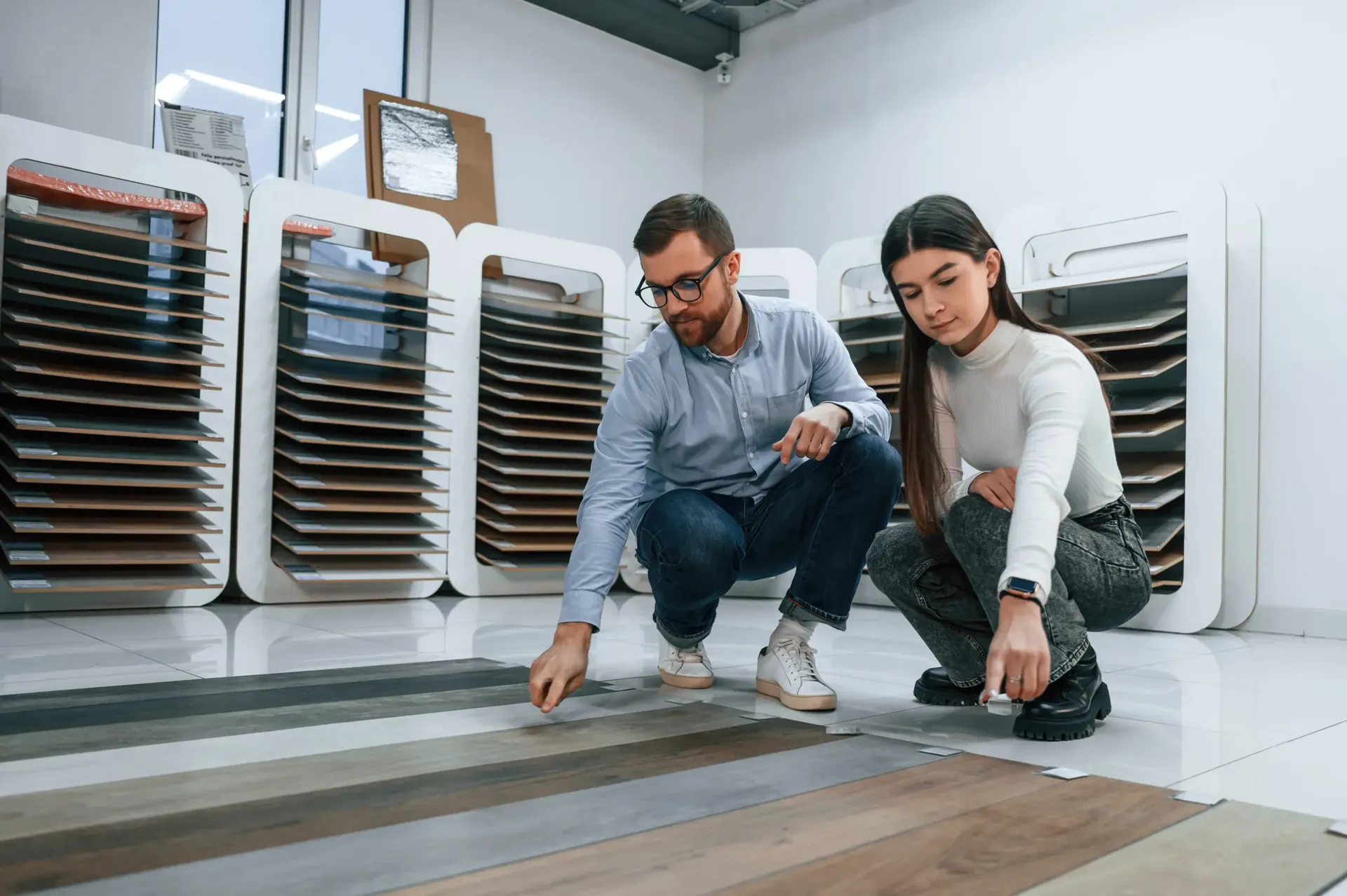
At Mid America Flooring Solutions, we offer a wide range of flooring options to suit every style and budget. Our team of experts is here to help you select the perfect hardwood or engineered wood flooring. We also want to provide professional wood floor installation services.

Shop at Home or in our Showroom
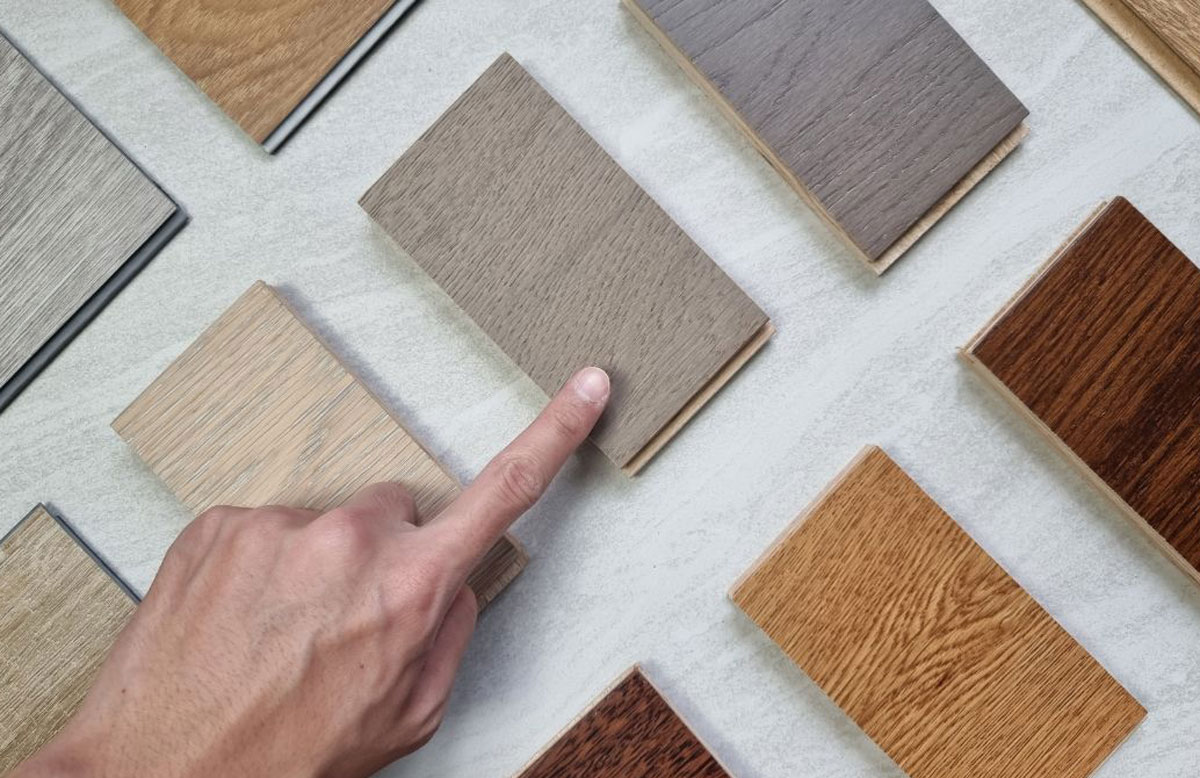
We'll Bring the Showroom to You
Hardwood and engineered wood flooring are timeless choices that bring warmth, elegance, and durability to any home. With many solid wood species varieties, color options, and finishes. These customizable options can reflect your personal style.
At Mid America Flooring Solutions, we are committed to providing high-quality products. Exceptional wood floor installation services are among the offerings we have to help you.
You can achieve the perfect look for your home! Contact us today to learn more about our flooring options and to schedule a consultation with our experienced team.
Address
115 Mexico Ct Ste C Saint Peters, MO 63376
Phone
Business Hours
Mon-Fri: 8 am - 5 pm
Sat: 9 am - 1 pm
Sun: Call for Appointment
Let's Talk About Your Flooring Needs
Hardwood Flooring FAQs
Solid hardwood and engineered hardwood both provide natural wood beauty, durability, and long-term value, but the right choice depends on the room, subfloor, moisture conditions, budget, and installation requirements. Mid America Flooring Solutions helps homeowners select and professionally install wood flooring based on their space, preferred style, and practical needs.
Is engineered hardwood a good choice for rooms with moisture or temperature changes?
Yes. Engineered hardwood is generally better suited than solid hardwood for areas that experience changes in moisture, temperature, or humidity. Its layered construction provides greater dimensional stability, reducing the risk of shrinking or warping. Mid America Flooring Solutions recommends engineered wood for situations such as basements and installations over concrete slabs.
Why engineered hardwood works well in these spaces:
- Greater stability: Engineered construction makes the flooring less susceptible to temperature and humidity changes.
- Concrete compatibility: Engineered hardwood can be installed over concrete subfloors where solid hardwood may not be advisable.
- Flexible installation: Depending on the product and subfloor, engineered wood may be floated, glued down, or nailed down.
- Natural appearance: A real hardwood veneer provides the appearance of wood while the engineered core improves stability.
- Moisture still matters: Engineered hardwood is more moisture-resistant than traditional solid hardwood, but spills should still be wiped up promptly and excessive water should be avoided.
What factors affect the cost of new hardwood flooring?
The cost of hardwood or engineered wood flooring depends primarily on the flooring selected and the requirements of the installation. Important variables include wood species, plank width, finish, installation method, and whether solid or engineered hardwood is chosen. Subfloor conditions and other project-specific preparation can also affect the overall scope of installation.
Key cost factors include:
- Wood species: Different hardwood species can carry different material costs.
- Plank width: The dimensions and style of the selected flooring can influence pricing.
- Finish: Flooring finish choices can affect the material and project requirements.
- Flooring construction: Solid hardwood can have a higher upfront cost, while engineered hardwood is often a more budget-friendly alternative.
- Installation method: Nail-down, glue-down, and floating installations have different requirements.
- Subfloor condition: The subfloor needs to be clean, dry, level, and structurally suitable before installation. Necessary corrections can add work to the project.
Solid hardwood may cost more initially, but its ability to be refinished multiple times can provide long-term value. Engineered hardwood can offer a lower upfront cost while maintaining the appearance and durability buyers expect from wood flooring.
Solid hardwood vs. engineered hardwood: Which is better for my home?
Neither option is universally better. Solid hardwood is an excellent choice when longevity and the ability to refinish the floor multiple times are priorities. Engineered hardwood is often better for concrete slabs, basements, and spaces affected by changing moisture or temperature because its layered construction provides greater dimensional stability.
| Consideration | Solid Hardwood | Engineered Hardwood |
|---|---|---|
| Construction | Solid piece of wood | Hardwood or plywood core with hardwood veneer |
| Stability | Best in dry, stable conditions | More resistant to humidity and temperature changes |
| Concrete slabs | May not be advisable | Well suited for concrete installations |
| Refinishing | Can typically be refinished multiple times | Refinishing depends on veneer thickness |
| Installation | Commonly nail-down | Floating, glue-down, or nail-down |
| Upfront cost | May be higher | Often more budget-friendly |
| Appearance | Natural hardwood | Real hardwood surface with similar aesthetic appeal |
Solid hardwood may be best for you if:
- You prioritize long-term refinishing potential.
- The room has suitable, stable environmental conditions.
- You want traditional solid-wood construction.
Engineered hardwood may be best for you if:
- Your home has a concrete slab.
- The room experiences greater humidity or temperature variation.
- You need more flexibility in installation methods.
- You want hardwood aesthetics with a potentially more budget-friendly material.
How does professional hardwood flooring installation work?
Professional hardwood installation begins by preparing and evaluating the subfloor, followed by manufacturer-recommended acclimation and moisture checks. The installer then plans the layout, allows room for natural wood movement, and installs the flooring using the appropriate method. Mid America Flooring Solutions uses different installation techniques depending on whether solid or engineered hardwood is selected.
For solid hardwood, the process generally includes:
- Inspect the subfloor. The installation team checks that the surface is clean, dry, level, and stable.
- Acclimate the flooring. Manufacturer recommendations are followed, typically involving several days of acclimation plus moisture and humidity checks.
- Plan the layout. The homeowner can review and approve the layout based on the desired appearance.
- Allow for expansion. An expansion gap is left around the room perimeter so the wood can move naturally.
- Install the planks. Tongue-and-groove hardwood is positioned with staggered seams and secured appropriately.
- Complete finishing work. Finishing touches help protect the floor and complete its appearance.
Engineered hardwood offers additional installation options:
- Floating: Click-lock planks can be joined without fastening them directly to the subfloor.
- Glue-down: Adhesive secures the flooring to the subfloor and can be suitable for concrete.
- Nail-down: Planks are mechanically secured through the tongue, similar to solid hardwood installation.
The appropriate method depends on the flooring product, manufacturer requirements, and existing subfloor.
Is engineered hardwood completely waterproof?
No. Engineered hardwood should not be considered completely waterproof simply because it handles moisture better than solid hardwood. Its layered construction makes engineered wood more resistant to moisture-related movement, shrinking, and warping, but it is still a wood flooring product. Spills should be cleaned promptly, and excessive water should be avoided during cleaning.
What "more moisture-resistant" actually means:
- Engineered hardwood provides greater dimensional stability than traditional solid hardwood.
- It can be appropriate for some locations where solid hardwood is not recommended, including basements and installations over concrete.
- Moisture resistance does not mean the flooring can tolerate unlimited water exposure.
- Standing water and excessive moisture can still potentially damage wood flooring.
- Routine cleaning should avoid excessive water.
Homeowners who require flooring specifically designed for frequent water exposure should discuss other flooring categories with their flooring professional rather than assuming engineered hardwood is waterproof.
What areas do you serve for hardwood and engineered wood flooring installation?
Mid America Flooring Solutions provides professional hardwood and engineered wood flooring installation throughout St. Peters and the greater St. Louis, Missouri area. As a hardwood flooring installer servicing O'Fallon and nearby communities, we help homeowners select and professionally install flooring that fits their home and project needs.
Our Service Areas Include:
- St. Peters
- St. Charles
- St. Louis
- Wentzville
- Chesterfield
- Dardenne Prairie
- Creve Coeur
- Cottleville
- St. Paul
- Lake St. Louis
- Troy
Our Wood Flooring Services Include:
- Solid hardwood flooring installation
- Engineered wood flooring installation
- Flooring selection assistance
- Professional installation based on product and manufacturer specifications
Service availability and installation requirements may vary depending on the flooring product, subfloor conditions, property conditions, and scope of the project.
